
Vice-Chancellor / Senior Professor (Chair) of Agribusiness Management
Wayamba University of Sri Lanka
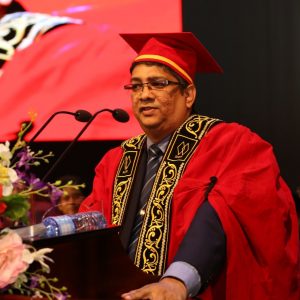
Title of the speech: Governing an Innovation & Technology-based Food and Agriculture Sector: Trends & Challenges
Abstract
Numerous “trends” shape the future of food and agriculture sectors. The resulting “challenges” from
which faced by an economy can be diverse in relation to the outputs, outcomes and impacts they
generate. Those trends and challenges can broadly be catalogued into the categories of socio-
economic, cultural, technological, commercial, political and environmental etc. Food and Agriculture
Organization (FAO) talk about numerous aspects pertaining to those trends, including: Population
growth, urbanization and ageing; Governance for food and nutrition security, health and poverty and
inequality; Global economic growth, investment, trade and food prices, and development finance;
Structural change and employment and migration; Changing food systems; Competition for natural
resources; Climate change; Conflicts, crises and natural disasters; Agricultural productivity and
innovation, and Transboundary pests and diseases.
It is estimated that in a world with its population is expected to grow to almost 10 billion by 2050 and
under the scenario of “modest economic growth”, demand for food and agriculture products and
services will be boosted by some 50 percent compared to today. The income growth in those “low to
middle-income” nations will result a significant “dietary transition” towards higher consumption of meat,
fruits and vegetables, relative to that of cereals. This ultimately results commensurate shifts in output
and adding pressure on natural resources. Despite the fact that hunger and extreme poverty have been
reduced globally over the last few decades, nearly 700 million people, most of them from rural areas,
are still “extremely poor” today. As stated by the FAO, under a ‘business-as-usual’ scenario, without
additional efforts to promote pro-poor development, some 653 million people would still be
undernourished in 2030.
The decline in the share of agriculture in total production and employment would pose the challenges in
agricultural investments and technological innovations across the regions. Further, the needed
acceleration in productivity growth will be hampered by the degradation of natural resources, loss of
biodiversity, climate change and the spread of transboundary pests and diseases of plants and
animals. The critical parts of food systems will, thus, show the characteristics of ‘capital-intensive’,
‘vertically integrated’ and ‘concentrated in fewer hands’ across agri-food value and supply chains.
Amongst other happenings, these can result in increased migratory flows of rural male that, in turn, lead
to ‘feminization’ of agriculture.
All these trends poses severe challenges to the food and agriculture in the forms of, for example:
sustainable improvements to the agricultural productivity; eradicate extreme poverty, reduce inequality
and end hunger and all forms of malnutrition; improve income earning opportunities in rural areas and
address the root causes of migration; tackle those issues related to climate change and intensification
of natural hazards, and ensure a sustainable natural resource base.
In the light of above, reorganizing of food systems and the governance will be of considerable tasks to
address those current and future challenges identified. It is indispensable to create innovative systems
that protect and enhance the natural resource base, while increasing productivity and a transformative
process towards ‘holistic’ approaches, such as Climate-Smart Agriculture, Conservation Agriculture,
Agro-Ecology and Agro-Forestry, which also build upon indigenous and traditional knowledge.
Chairman, National Science Foundation Sri Lanka,
Senior Professor of Crop Science, Faculty of Agriculture, University of Ruhuna,
Former Vice Chancellor, University of Ruhuna
Brief Bio
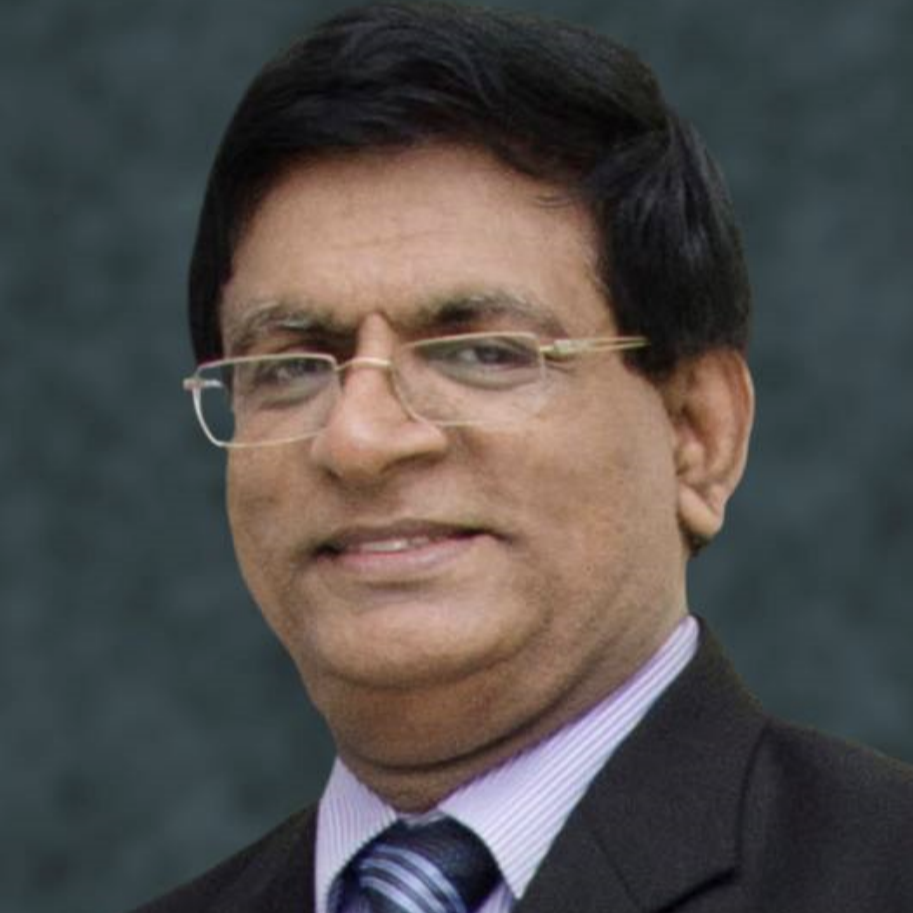
As Vice Chancellor, University of Ruhuna, he has been strongly committed to promoting academic excellence, high impact research, creative enterprise, strategic partnership with industry, community development and international cooperation. In recognition of his outstanding contribution in education, science, community development and international cooperation, the University of Durham, UK conferred a honorary Doctorate (honoris causa) on him in 2007.
Prof. Senaratne has been the recipient of several internationally competitive and prestigious research grants, i.e. from the Board on Science and Technology for International Development (BOSTID) of the National Research Council of the USA and has held a number of coveted fellowships, including the Andre Mayer Fellowship of the FAO and the Marie Curie Fellowship of the European Community. He is a Fellow of the National Academy of Sciences and has over 100 research communications and papers to his credit. In addition, he has written and edited over 10 books related to agriculture, higher education, science & technology and national development.
Prof. Senaratne has provided strategic, inspirational and operational leadership to higher educational institutions, and he is a visionary leader and an institution builder.
Therefore agriculture today poses serious challenges to economic, social, environmental, nutritional and health sectors. Meanwhile, its technological landscape is changing rapidly and markets are becoming increasingly globalized, sophisticated, dynamic and competitive. Besides, importing countries impose stringent control on food quality, safety and hygiene as the consumer is becoming increasingly health-conscious.
The agriculture and food systems should, therefore, become more productive, more resource- efficient, more resilient, more environment-friendly, less wasteful and more profitable. This is a formidable challenge, but has to be met. This calls for a new bold and compelling vision for agriculture. Hence, a step change in agriculture in Sri Lanka is urgently needed to transform it into a tech-savvy, export-oriented agri-business through smart farming where the whole process from production, processing, storage, marketing and distribution should be reengineered and remodeled for value chain enhancement. This includes, among other things, advance provision of weather data, market dynamics and price fluctuation, early detection of pests and diseases, and determination of water and nutrient needs. These will contribute a great deal to reduce the risk and uncertainty associated with agriculture.
This demands a suite of technologies to be adopted, such as ICT, biotechnology, nanotechnology, remote sensing and GIS, artificial intelligence, automation, Big Data, drones, Internet of Things, Robotics, etc., all of which are of great relevance and value. Here, one should not disregard or underestimate the value and relevance of indigenous knowledge (IK) — a precious hitherto untapped national resource — that should be harnessed to enhance agricultural production in a cost-effective and sustainable manner.
Therefore, it is imperative to rethink not only the way we produce, process, package, store, transport, distribute, market, deliver and consume food, but also the way we dispose of agricultural waste, to create a “zero waste” society. This calls for the transformation of conventional agriculture into a knowledge-based circular agriculture through a sea change which will enable increased production. This will be based on the use of considerably less resources and inputs to achieve sustainability with a reduced carbon footprint, water footprint, energy footprint and ecological footprint with greater profit. Therefore, a cultural revolution of sorts is the need of the hour, paving the way for a new Agri-Culture in Sri Lanka.
Chairman of University Grants Commission Sri Lanka,
Former Vice-chancellor of the University of Jayawardenepura
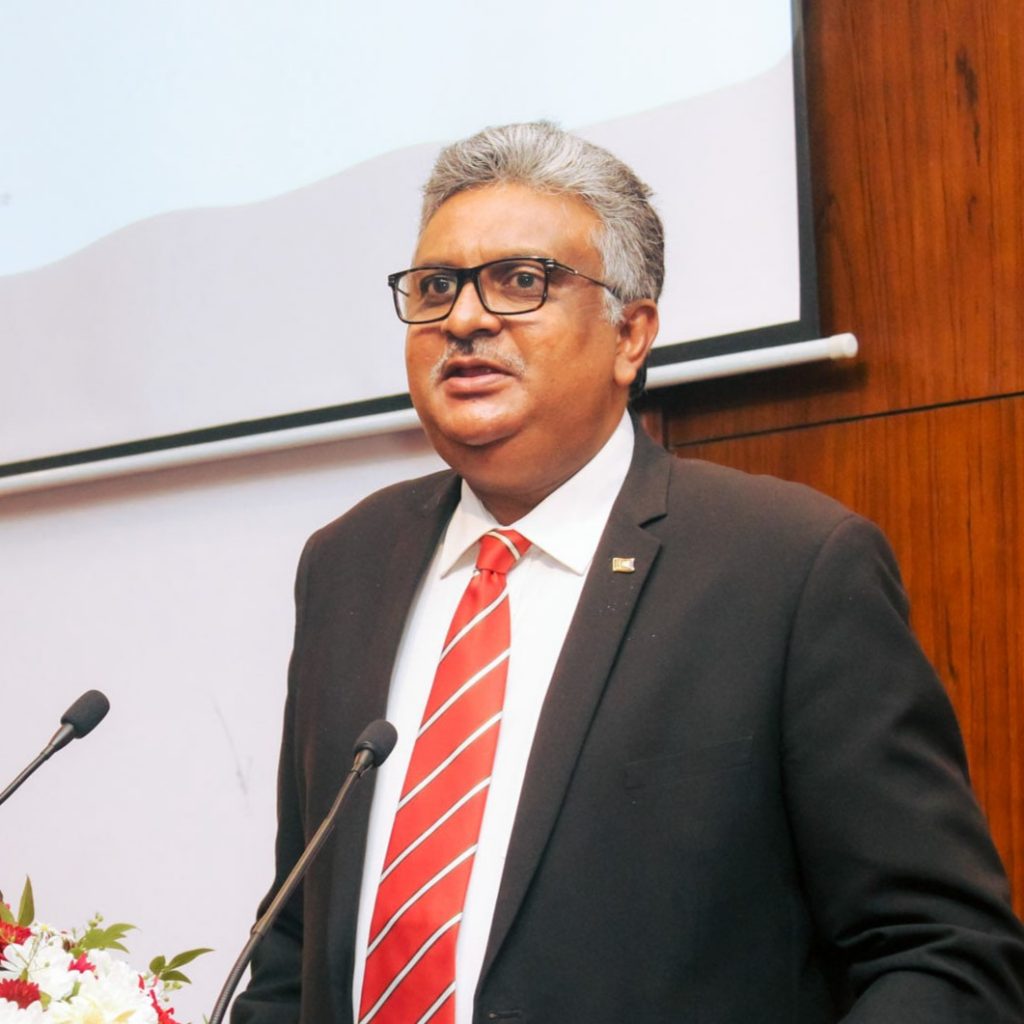
Title of the Speech – Sri Lankan Higher Education Landscape and the Role of LEARN
Senior Enterprise Architect Research & Education –
NTT Germany and Former CEO – NORDUnet
Brief Bio
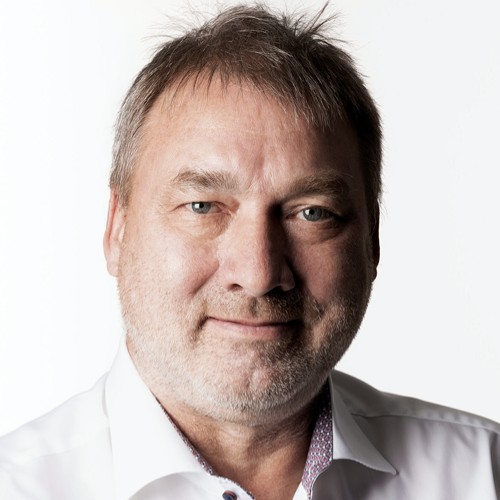
Rene Buch served 16 years as CEO for NORDUnet delivering advanced Telecommunications and ICT Solutions to the European Nordic Research and Education Community. In this capacity he kicked off knowledge exchange program for emerging NRENs that fostered collaboration, knowledge Building and a gender diversity programme in SE Asia and Africa., Rene Buch also served as CTO for European Open Science Clouds Association promoting Open Science in Europe. Currently, Rene Buch serves as Senior Enterprise Architect for Research and Education for NTT Germany delivering tailored ICT solution to the German R&E community. Previously Rene Buch filled several senior roles in Global Telecommunication and ICT Companies.
Title of the Speech : Better together – How eNREN Collaboration enables National and Regional Development
Senior Researcher of the Institute of Advanced
Industrial Science and Technology (AIST),
Japan
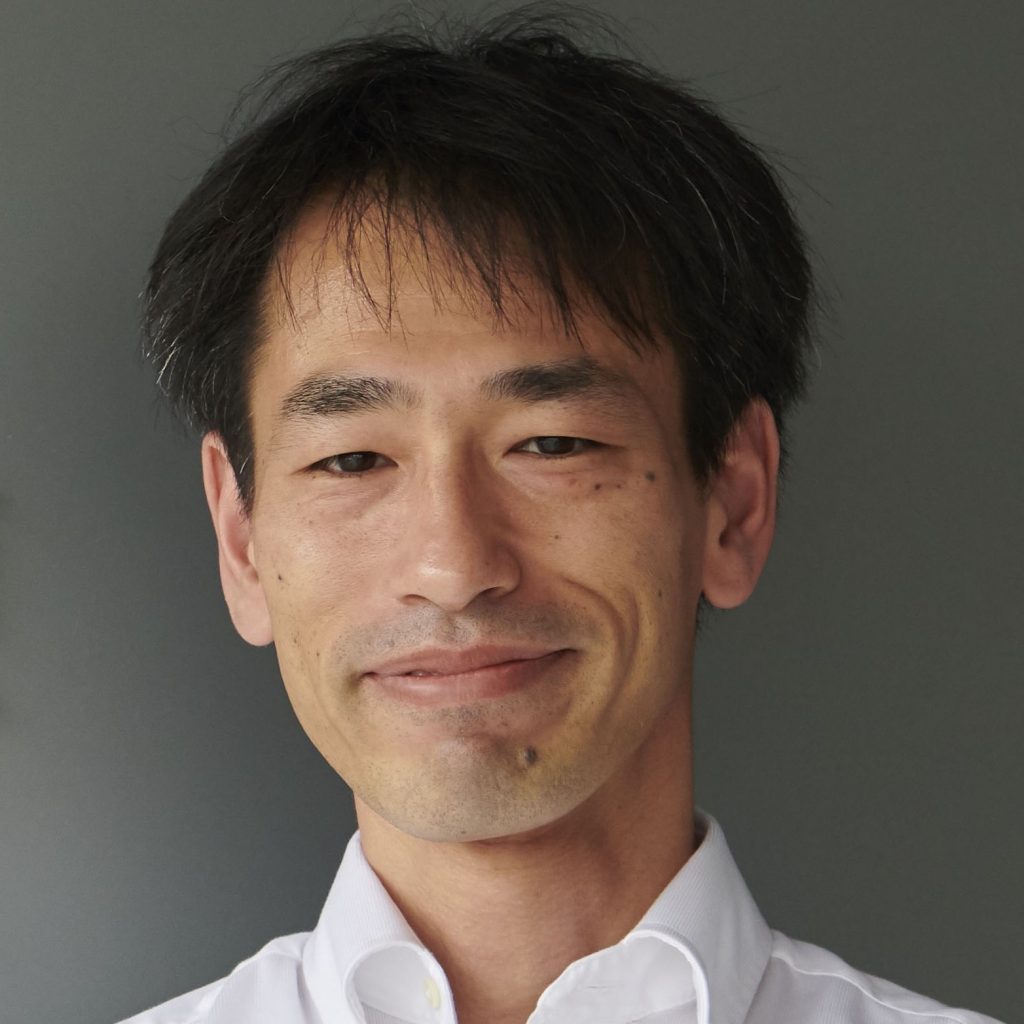
Title of the Speech – ABCI and the beyond: the world’s first large-scale open AI infrastructure
Abstract
Senior Director, Chief Solution Architect and
Global Head, NVIDIA AI Technology Center,
NVIDIA Corporation
Title of the Speech-High-Performance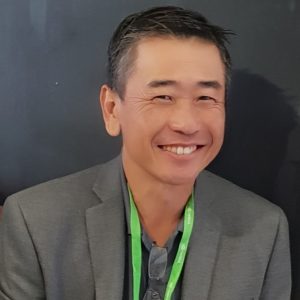 Simulation in the Age of AI
Abstract